2026 Wedding and Event Trends: What to Expect in the New Year

Kat Trefilova — CEO & Founder
Key Takeaways
Destination weddings keep rising as exotic venues become more accessible, from beachfront resorts to European castles.
Sustainability is now a client expectation: locally sourced menus, e-card invitations, eco-friendly decor, and green transportation.
Intimate guest lists, experiential moments, and heavy personalisation define the modern celebration — one-size-fits-all events are out.
Purpose-built wedding planning software is replacing paper contracts and spreadsheets, giving professional planners the tooling other industries take for granted.
Table of Contents
As we look ahead to the new year, it's clear that the wedding and event industry is constantly evolving. From new venues and technologies to emerging design trends, there are always exciting changes on the horizon. So, what can we expect to see in the world of weddings and events in 2026? Here are a few trends to watch out for:
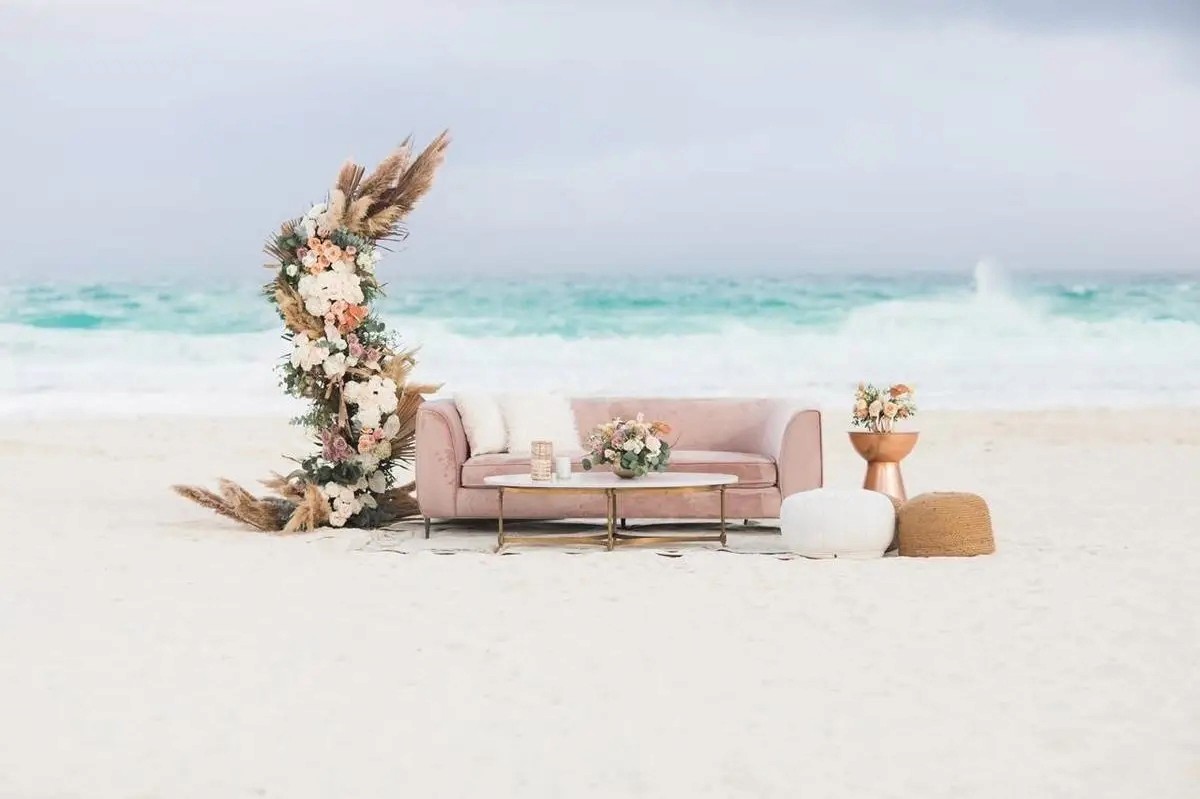
Destination weddings: The rise of destination weddings is expected to continue, with more couples opting for exotic locations or unique venues for their big day. From beachfront resorts to castle weddings in Europe, the world is becoming more and more accessible for destination events.
Wedding planning software: Gone are the days of paper contracts and spreadsheets – in the world of wedding planning, technology is taking over. However, there are not many professional wedding planning tools that meet the needs of today's planner's expectations. That’s The One has the mission to change that for good and enable professional planners to plan outstanding and amazing weddings.
Sustainable events: The trend towards sustainability is expected to continue in the event industry, with more and more clients looking for eco-friendly options. This could include using locally sourced and organic food and drinks, using E-Cards for invitations, eco-friendly decorations and favors, and green transportation options.
Intimate weddings: After a year of social distancing and smaller gatherings, it's likely that the trend towards more personalized and intimate weddings will continue. Couples may opt for smaller guest lists and more customized details in order to create a more intimate and meaningful celebration.
Experiential events: As people become more discerning about how they spend their time and money, experiential events that offer a unique and memorable experience are expected to become more popular. This could include anything from interactive food and drink stations to immersive entertainment experiences.
Social media integration: With more and more people turning to social media to document and share their experiences, it's important for event planners to consider how to integrate social media into their events. This could be anything from creating a custom hashtag to setting up a social media wall or photo booth.
Personalisation: As people seek out more unique and personalized experiences, event planners will need to find ways to make each event one-of-a-kind. This could involve incorporating personalized details like monogrammed items or custom-designed invitations or offering personalized menu options or entertainment choices.
See our dress code data for how guest attire expectations are shifting.
Conclusion
As the wedding and event industry continues to evolve, it's important for event planners to stay on top of the latest trends in order to create memorable and successful events for their clients. From exotic destinations to personalised experiences, the trends for 2026 are sure to offer plenty of exciting opportunities for creativity and innovation. So, let's embrace the new year and all the possibilities it brings!
Where these trends come from
These are the patterns we see across weddings planned on That’s The One and in our published data studies, including dress codes from 32,000+ events, the shift away from Saturday weddings and how long each event actually lasts. The big 2026 industry surveys, unusually, all point the same way.
What the 2026 surveys say
Zola’s First Look Report, drawn from more than 11,500 couples marrying in 2026, shows the generational handover plainly: Gen Z is now 51% of engaged couples. More than half of them (54%) used AI somewhere in their planning, 87% made planning decisions based on social media, and sage green appears in 30% of weddings. The Knot’s 2026 Real Weddings Study of 10,474 couples has the average American wedding at $34,000 with 117 guests and 13 vendors, with AI use nearly doubling in a year to 36%.
The through-line is fewer guests and more spent on each one. Hitched’s UK survey puts the average British wedding at £21,990 with per-guest spend up 4% to £272; The Knot pegs US per-guest spend at $292. Sustainability has stopped being a niche: Bridebook found 83% of UK couples built at least one sustainable element into their wedding. On the aesthetic side, Pinterest’s 2026 trend report tracks searches for jazz club weddings up 1,115% and video guestbooks up 240%.
The practical read for planners: package the intimate wedding instead of discounting into it, because fewer guests means more personalisation per head, not less fee. Make sustainability a named menu (E-Card invitations, rentable décor, local catering partners) so eco-minded couples can say yes to specifics. And keep a priced list of the experiential extras couples now expect, with the vendors who deliver them.
Paperless is still the cheapest trend to act on: send save-the-dates and invitations as E-Cards through That’s The One, with RSVPs synced to the guest list automatically.
FAQ
What are the biggest wedding trends for 2026?
Smaller, more personalised guest lists; sustainability as standard (83% of UK couples, per Bridebook); AI-assisted planning (36–54% of couples, depending on the survey); social-media-driven decisions; and experience-first receptions, from supper-club dining to video guestbooks.
How should planners prepare for these trends?
Turn each one into something bookable: a micro-wedding package, a named sustainability menu, a priced experiences list, and a tech stack that handles digital invitations, RSVPs and multi-currency payments without manual work.
Further reading:
Try your 30 day free trial here or book a demo.