How to Become a Wedding Planner

Kat Trefilova — CEO & Founder

Key Takeaways
No US state or UK body licenses wedding planners. The UK National Careers Service lists no set entry requirements for the job.
Most established planners started by working for someone else. Guerdy Abraira ran hotel catering and a flower shop before launching her firm; Mindy Weiss made invitations for four years before planning full weddings.
Pay varies a lot. US event planners earn a median $59,440 (BLS, May 2024); UK salaries run roughly £21,000 to £34,000. Self-employed income depends entirely on bookings.
Sort proposals, contracts and payments before your first client. That’s The One covers proposals, reusable contract templates with e-signatures and client tracking (30-day free trial), while Maroo handles invoicing and payment processing.
How to Become a Wedding Planner
Table of Contents
One of the most common questions we get - how do you actually become a professional wedding planner these days? That’s The One interviewed a cohort of working planners to get their top tips for how to break into the crazy world of wedding planning.
There is no license for this job. No UK or US authority will ask to see a certificate before you plan your first wedding; the UK’s official careers service lists no set entry requirements at all. What gets you hired is experience, and most working planners got theirs by helping someone else first. The rough path: assist an established planner (or a florist, caterer or photographer), figure out which couples you want to serve, get contracts and payments sorted before anyone signs, and do work good enough that vendors start passing your name around.
Here is the full breakdown, with tips from working planners at every step.
What does a planner do?
First and foremost, it’s important to understand the role of a wedding planner. A wedding planner is responsible for coordinating and organising all aspects of a couple’s big day, from venue selection and vendor management to budgeting and timeline creation. They act as a liaison between the couple and vendors, and ensure that everything runs smoothly on the day of the wedding. The types of services a typical wedding planner may include are:
Full Planning - This is helping a couple from beginning to end and is inclusive of all tasks from sourcing a wedding venue, to the final closing of a wedding day. It usually includes guestlist management, supplier sourcing and designing a wedding day aesthetic.
Partial Planning - This service is popular for couples who enjoy planning a wedding but may feel a little overwhelmed with aspects that you may just enjoy. This can be the design of the day or logistics of the day and anything in between. Either way, the couple enjoys getting involved and it really is a collaborative process.
On-the-Day Coordination - This service does not have to just be on-the-day, it can be flexible when you start this service with your couples. The aim is to gather all of your couples’ own wedding plans and vision, and put them altogether logistically. Your role as a wedding planner is to ensure all suppliers are managed and guests are looked after throughout the final parts of the planning process and on the day too. You become the point of call for a super organised couple.
Venue Sourcing - If you could spend your days looking at inspiring venues or rustic warehouses then this service is for you. Couples have limited access to hidden gem venues because Google does not know everything! This service requires being proactive, attending venue open days and networking with other suppliers to ensure you can find your couples’ venues and important information they cannot find on Google to help make their decision.
Wedding Planning Consultation Service - Couples approach you at different points of the planning process and you help them address a particular task or issue - it could be anything like creating an estimated budget, creating a detailed timeline of a wedding day, providing a list of trusted vendors within a specific field, wedding planning audit and helping to identify the next steps. In this case, you offer couples your expert advice on how different things can be done, but do not own the process of executing it.
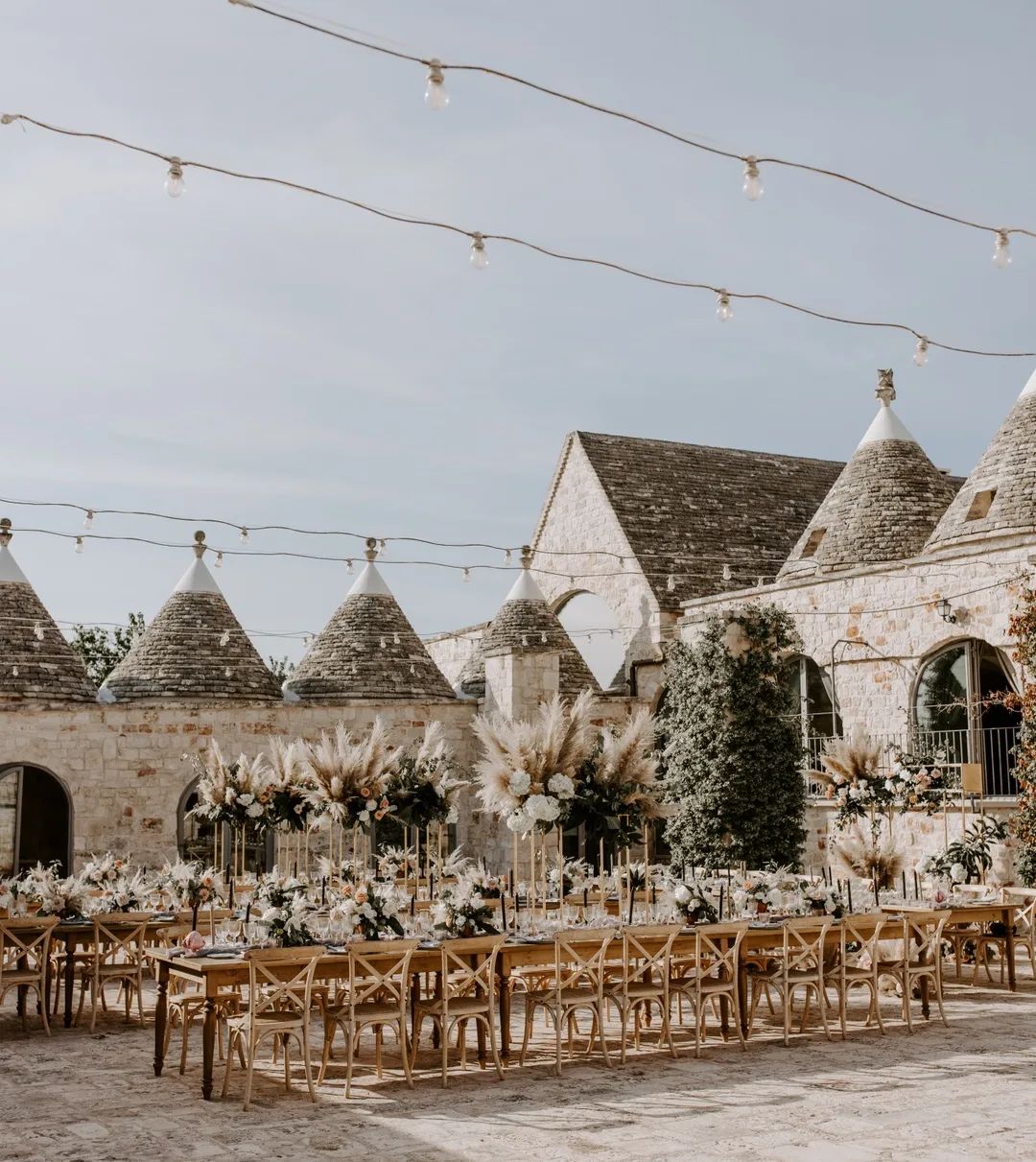
Photo by Nicola Dixon Photography Co, Planning by Wonderlust Events
How two of the best-known planners got their start
Miami planner Guerdy Abraira did not start with weddings. She organised fundraising events first, then worked as a hotel catering manager, then ran a flower shop on Fisher Island. The planning firm came after all of that, built on word of mouth from clients who had already seen her work. Her advice to newcomers, in an interview with WeddingPro, is to intern or assist an established planner before going out on your own.
Mindy Weiss took a different route into the same career. As she told Inside Weddings, she started at 24 making custom invitations from home, and only moved into full wedding planning at 28, after four years of watching her invitation clients plan everything else around her.
Notice what both stories have in common: years of adjacent work (catering, flowers, stationery) before anyone paid them to plan a wedding. That is the normal route in, not the exception.
5 suggestions for how to become a wedding planner; tips from real planners
Tip 1- Gain experience: Arguably, the most crucial step! Many wedding planners start out as assistants or coordinators before striking out on their own. Consider interning or working with an experienced planner to gain hands-on experience in the industry. Keep an eye out on wedding planning Facebook groups and Instagram, as sometimes planners advertise for on-the-day assistants at certain weddings. Even getting experience working with suppliers in different areas (eg. florists, catering companies, photographers) can be a valuable glimpse into how they work behind the scenes.
Tip 2- Network and market yourself: Building a strong network of contacts in the wedding industry is crucial for success as a wedding planner. Attend events, join professional organisations, and use social media to promote your business and establish yourself as an expert in the field. Make sure to engage with other wedding planners by commenting and interacting with their social media content.
Tip 3- Know your niche and research: Work out who your ideal client is and market yourself towards those clients. Do as much research and background work as possible before acquiring clients so that you are ready to go once clients are secured. You may want to service destination weddings, local or national weddings. Knowing this in advance can allow you to define your research and processes when becoming a wedding planner. It’s worth getting a list of your favourite venues and viewing them if you can, as well as getting to know suppliers so you have a list.
Tip 4- Get your processing in place before taking your first client: This includes proposal documents, contracts and both venue and supplier documents. As of July 2026, That’s The One covers this side of the business natively: lead capture and pipeline tracking, branded proposals, reusable contract templates with e-signatures, client status tracking, and PDF export. For the money side, Maroo handles invoicing, payment processing, contractor payouts and 1099s. Starting with no budget? See our roundup of the best free tools for new planners.
Tip 5- Utilise the correct software: Finally, having the right software to plan weddings is essential. As of July 2026, That’s The One runs both the planning side - guest management, seating plans, accommodation, and AI-assisted timeline and to-do file import - and the client side, with CRM-style lead capture and pipeline tracking, branded proposals, reusable contract templates with e-signatures, client status tracking, and PDF export in one place. Keep Maroo in the stack strictly for invoicing, payment processing, contractor payouts and 1099s; That’s The One does not send invoices or collect payments. Once your business has launched and consultations start rolling in, connect Zoom to bring meeting and call recaps into That’s The One Notes, then move each recap to the relevant event, turning discussion points into actions - a simple follow-up workflow after every consultation. Pricing is £45/month (~$57 USD) for unlimited events and unlimited collaborators, and the 30-day free trial is long enough to run your first wedding on it. Not sure what else belongs in your stack? Here’s the complete tech stack for wedding planners.
What the job pays
US government data lumps wedding planners in with corporate event planners, so treat these numbers as a rough guide. The Bureau of Labor Statistics puts the median at $59,440 a year (May 2024), with employment projected to grow 5% through 2034. In the UK, the National Careers Service lists £21,000 for starters, rising to around £34,000 with experience.
Go self-employed and your income is whatever you book. Thumbtack’s pricing data shows what US couples typically pay per wedding: roughly $1,250 to $1,820 for day-of coordination, $1,850 to $4,160 for partial planning, and $3,200 to $8,000 or more for full planning. Book a dozen full-planning weddings a year and you are doing well. Book three and you will want a side income while you build.
Optional workshops & certifications
Certifications are optional everywhere. No US state licenses wedding planners, and the UK’s National Careers Service is explicit that there are no set entry requirements. A good course can still shortcut your learning and add credibility while you build a portfolio. Some worth a look:
UK
Planning Redefined - for aspiring planners who want to grow their skills through a range of workshops and one-to-one support.
The Event School London - event management courses in London & online.
South Africa
SA School of Weddings - creative, practical courses for both the wedding and event industry.
US & Worldwide
Mae&Co Monthly - a monthly membership for planners, designers, and all other wedding industry professionals.
Wedding Academy - wedding planning certificates online to become a certified wedding planner, plus other wedding planning courses covering all aspects of the wedding industry.
The Planner’s Vault - a comprehensive and supportive educational membership and community for wedding planners looking for high-quality and relevant content to grow their wedding business.
Prefer learning on the go? See our roundup of the top wedding planning podcasts.
None of this happens fast. Guerdy Abraira spent years in catering and flowers before her firm existed, and Mindy Weiss made invitations for four years first. But there is no gatekeeper either. If you can get yourself onto real weddings and do good work, the career is open.
Compiled by Kat Trefilova, written in collaboration with Holly from Wonderlust Events, Akilah from With Akilah and Co, and Valentina from Wedding Alchemy by Valentina.
Further reading:
8 complete wedding planning checklist templates to run your first weddings from
Starting your planning business? Run your first weddings on That’s The One.
Try your 30 day free trial here or book a demo.
Photo by Katie Julia, Planned by Wonderlust Events